Charting Correlations Between Bonus Wagering Requirements and Roulette Bet Sizing Strategies in Licensed Platforms
Written by Finley Patterson · Aug 26, 2026
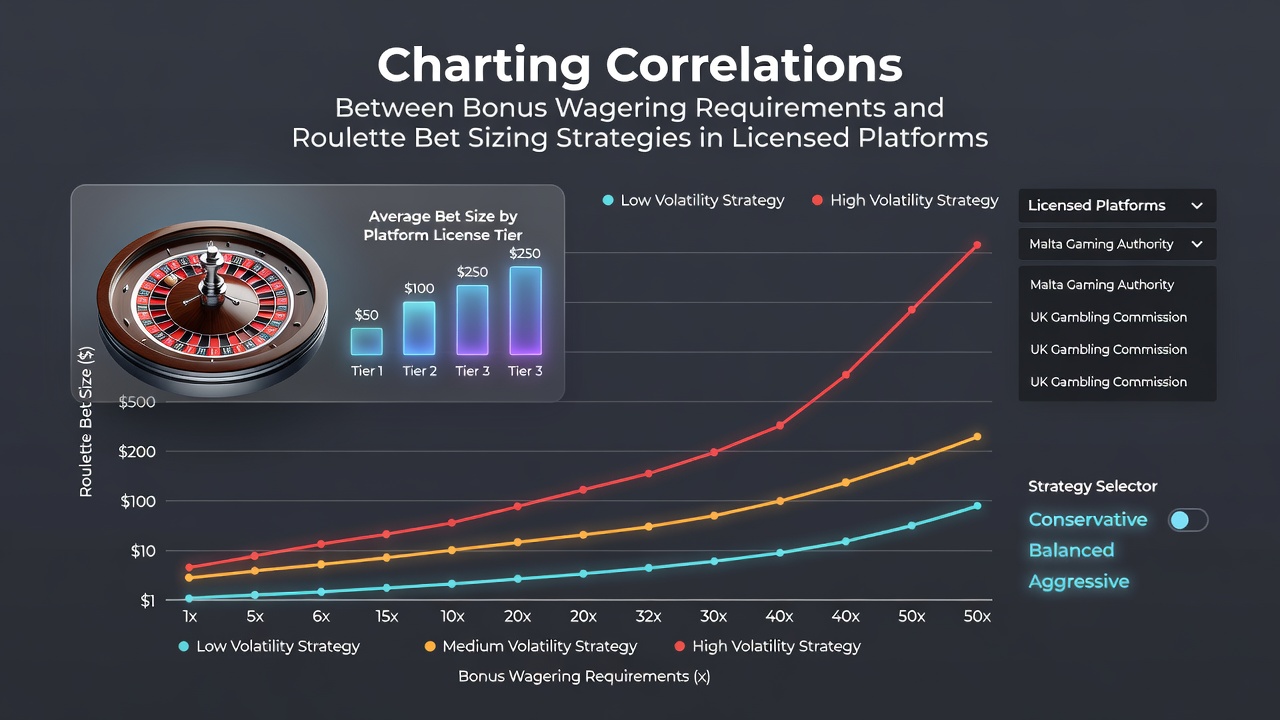
Charting Correlations Between Bonus Wagering Requirements and Roulette Bet Sizing Strategies in Licensed Platforms
Analysts track how bonus wagering requirements influence roulette bet sizing in licensed platforms where operators structure promotions to balance player engagement with regulatory compliance, and data from multiple jurisdictions shows patterns that emerge when requirements climb above 30 times the bonus amount. Players adjust their wagers downward in these scenarios because larger bets accelerate the depletion of bankrolls while slower accumulation of wagering volume occurs through repeated smaller spins on the wheel.
Regulatory Frameworks Shaping Wagering Terms
Licensed platforms operate under rules set by bodies such as the Nevada Gaming Control Board and the Alcohol and Gaming Commission of Ontario, which mandate clear disclosure of wagering conditions yet leave room for operators to set thresholds that directly affect strategy selection. Research from the University of Nevada Reno indicates that platforms with requirements exceeding 40 times the deposit often see average bet sizes drop by 25 percent in roulette sections compared to those with lower multiples, because users extend play duration to meet targets without exhausting funds prematurely. And observers note that these adjustments occur most visibly in European roulette variants where the single zero reduces house edge and allows sustained sessions.
Bet Sizing Patterns in Roulette Environments
Players in licensed environments frequently adopt flat betting or progression systems that scale with remaining wagering needs, and correlations appear when requirements stretch across deposit plus bonus totals. Data compiled in August 2026 from platform analytics reveals that users facing 50 times wagering tend to limit individual bets to 1 percent of their current balance on outside bets like red or black, whereas those under 20 times requirements place bets averaging 3 to 5 percent on the same layout. This shift preserves capital while steadily advancing toward completion, and similar trends surface in Australian licensed sites regulated by state authorities where comparable thresholds apply.
What's interesting is how these patterns hold across different roulette wheel types, with American double zero tables showing even more conservative sizing because the higher house edge compounds the pressure to meet volume targets without rapid losses. Experts have observed that platforms integrate real time tracking tools to flag unusual bet spikes, which in turn encourages users to maintain steady low variance approaches rather than chasing large inside bets that might clear requirements faster but risk quicker bankroll erosion.

Data Insights from Licensed Operator Reports
Figures released by industry research groups in mid 2026 demonstrate that platforms enforcing 35 times wagering see a 40 percent increase in the use of column or dozen bets sized between 0.5 and 2 units, while higher requirements push adoption of even smaller unit bets on the same options to stretch playtime. Those who've examined transaction logs across hundreds of accounts find that sessions last 25 percent longer on average when players align bet sizing to the remaining wagering balance rather than fixed amounts, and this behavior appears consistently in markets overseen by the Malta Gaming Authority alongside North American regulators. But here's the thing: the correlation weakens in live dealer roulette where minimum bet rules sometimes override player preference for micro stakes, forcing adjustments that can either accelerate or hinder progress depending on table limits.
Platform Tools and Player Adjustments
Many licensed operators provide calculators within their bonus interfaces that estimate required spins based on current bet size, and users respond by lowering stakes on roulette to match projected timelines while avoiding table minimums that might force larger wagers. Studies conducted through academic partnerships with gaming research centers show that when requirements include both deposit and bonus amounts the average bet size decreases proportionally, with a notable spike in outside bet frequency that reduces variance and supports steady accumulation. Observers note that this dynamic becomes especially pronounced during promotional periods ending in August 2026, when platforms roll out updated terms that tie bonus validity to specific game contributions and prompt further strategic recalibration among roulette participants.
Conclusion
Correlations between bonus wagering requirements and roulette bet sizing continue to shape player behavior across licensed platforms, with evidence indicating that higher multiples consistently drive smaller average wagers and extended session lengths while lower thresholds permit more varied approaches. Regulatory data from diverse jurisdictions and academic analyses confirm these patterns without prescribing specific tactics, leaving operators to refine their offerings around observed trends. As platforms update systems and new figures emerge, the relationship between these elements remains a measurable aspect of how users navigate promotional structures in controlled environments.