GameAccount Network Relinquishes UK Remote Gambling Software Licence After 18 Years
Written by Zoe Becker · Nov 12, 2026

GameAccount Network Relinquishes UK Remote Gambling Software Licence After 18 Years
GameAccount Network, known as GAN, has surrendered its UK Gambling Commission remote gambling software licence that it held since 2009, marking the end of nearly two decades of B2B operations in the regulated British market, and this decision forms part of a larger corporate restructuring that redirects resources toward American B2B activities along with tribal casino partnerships and simulated gaming products.
Licence History and the Surrender Process
The UKGC remote gambling software licence allowed GAN to supply casino content and gaming systems to operators across Britain, yet company filings show the firm chose to return the authorisation rather than renew or maintain it under current conditions, and this action aligns with patterns where suppliers adjust their regulatory footprints when revenue streams shift dramatically.
Data from the period between 2024 and 2025 indicates UK revenue dropped 61 percent to reach £6.13 million, while pre-tax losses approached £10 million, and these figures prompted internal reviews that culminated in the licence surrender alongside broader cost reductions that included workforce adjustments.
Financial Pressures Driving the Change
Company statements detail how declining domestic performance created pressure to streamline operations, and the move eliminates ongoing compliance costs associated with maintaining the UKGC authorisation that had remained active through multiple regulatory updates since its original grant in 2009.
Observers tracking supplier exits note that GAN's departure removes one established B2B provider from the UK software market, although the precise timeline for the surrender places it within ongoing industry adjustments rather than any single regulatory event.
Reallocation of Resources to US and Tribal Markets
GAN executives outlined plans to concentrate future growth on United States B2B operations where demand for casino content continues to expand, and the company intends to strengthen existing relationships with tribal casino partners while developing simulated gaming offerings that operate outside traditional wagering frameworks.
These strategic priorities replace the previous emphasis on UK-facing software supply, and the transition reflects how suppliers often pivot when one jurisdiction's returns diminish relative to opportunities elsewhere.
Workforce and Operational Adjustments
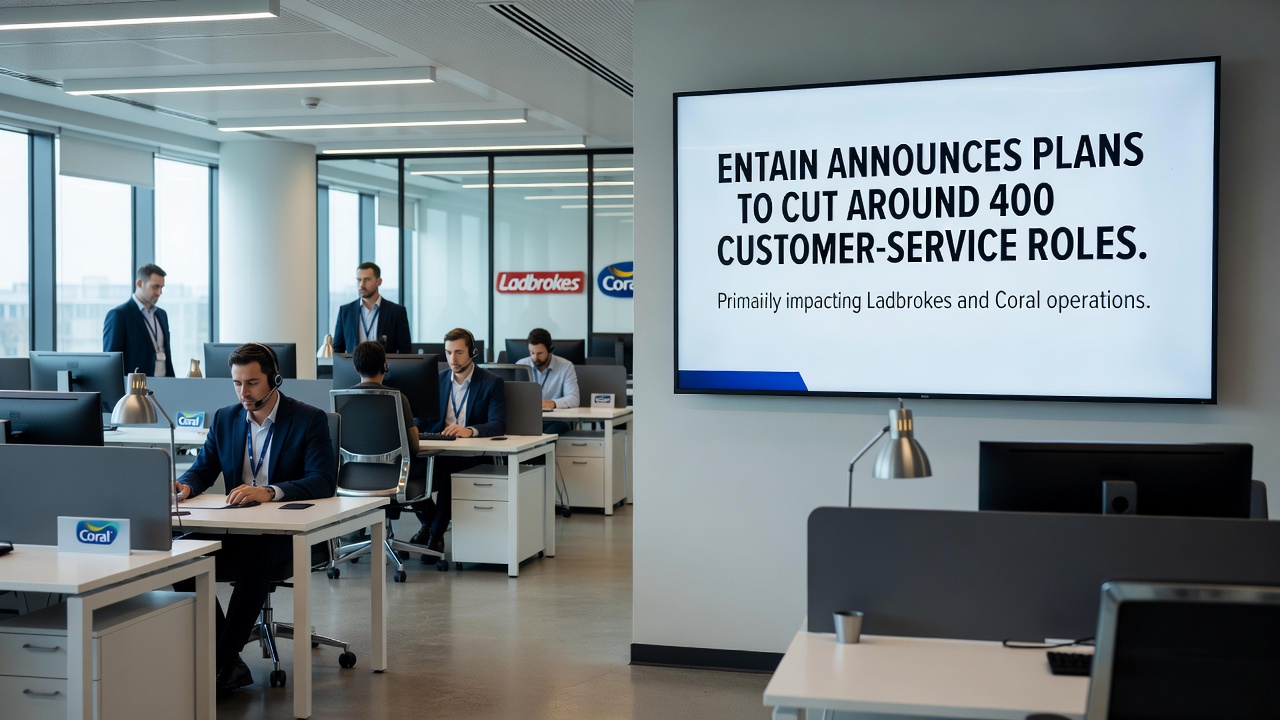
Cost-cutting measures implemented alongside the licence surrender included reductions in staff numbers, and such steps typically accompany licence exits when firms seek to match overhead with projected revenue from retained markets.
Reports confirm the workforce changes occurred as part of the same restructuring package that ended UKGC authorisation, although exact headcount figures remain undisclosed in public announcements.
Market Context for B2B Suppliers
Suppliers of remote gambling software face ongoing decisions about which licences deliver sufficient volume to justify compliance expenses, and GAN's case illustrates how revenue concentration in newer territories can outweigh established but shrinking segments.
The 18-year span of the UK licence demonstrates long-term presence, yet the 61 percent revenue contraction over one year created conditions where continued operation no longer aligned with corporate direction.
Conclusion
GAN's surrender of its UKGC remote gambling software licence closes a chapter that began in 2009 and redirects the supplier toward US B2B, tribal partnerships, and simulated gaming, while the financial data of £6.13 million in UK revenue and near £10 million pre-tax losses provide the documented backdrop for these operational changes.