How Mobile App Layouts Shape Deposit Timing Choices for Progressive Slot Enthusiasts at Recently Approved Platforms
Written by Jonas Weber · Oct 1, 2026
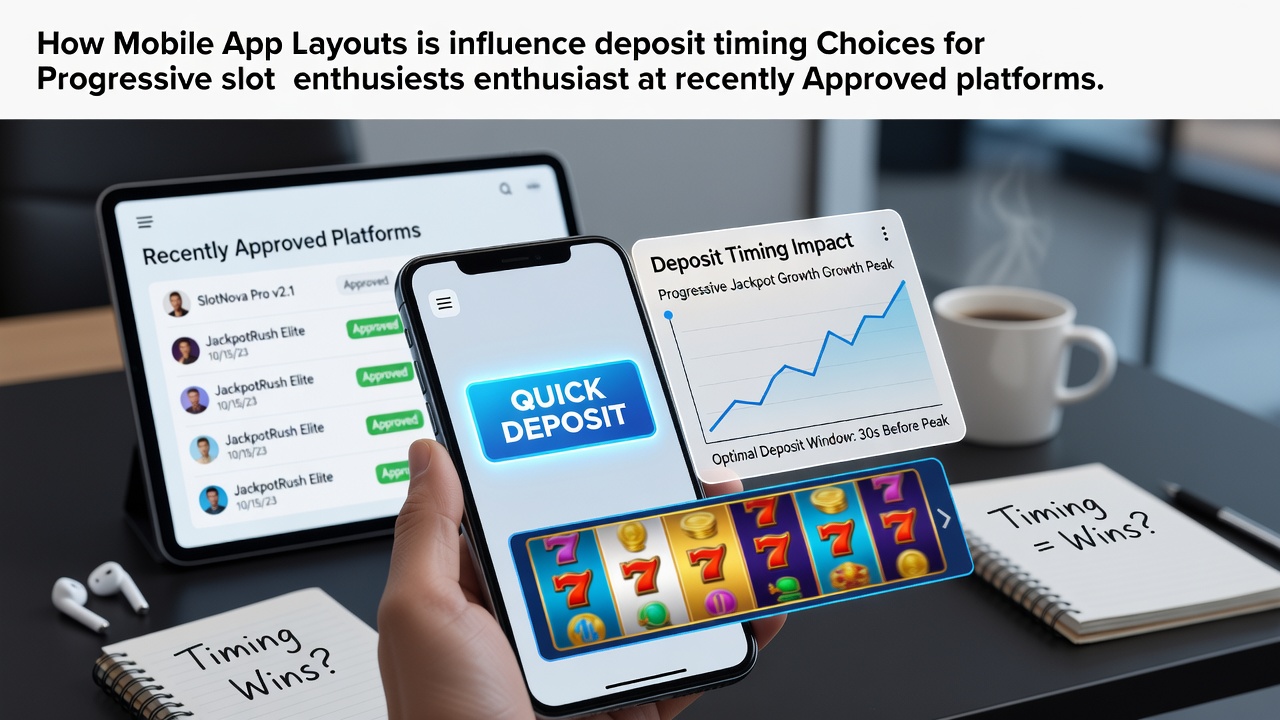
How Mobile App Layouts Shape Deposit Timing Choices for Progressive Slot Enthusiasts at Recently Approved Platforms
Platform approvals in October 2026 brought several new mobile applications into regulated markets across multiple regions, and observers have tracked how interface arrangements guide when users complete deposits while pursuing progressive jackpots. Layout elements such as button positioning, navigation depth, and prompt frequency interact with player habits that revolve around jackpot growth cycles, and data from these fresh platforms show measurable shifts in deposit windows compared with older applications.
Interface Elements That Influence Deposit Decisions
App designers place deposit controls at varying distances from game entry points, and those distances affect the interval between login and first transaction. Shorter paths to payment screens encourage earlier funding while deeper menu structures push transactions later in sessions, according to usage logs compiled after the October 2026 launches. Researchers note that floating action buttons positioned near progressive jackpot meters reduce the steps required to add funds precisely when prize pools approach notable thresholds.
Color contrast and animation timing also direct attention, while neutral tones paired with subtle progress indicators tend to delay deposits until users reach specific game stages. Studies of session recordings from newly approved platforms reveal that users encountering persistent deposit reminders within the first two minutes fund accounts sooner than those who see the same prompts only after selecting a progressive title.
Progressive Jackpot Dynamics and Timing Patterns
Enthusiasts often monitor rising jackpot values before committing additional funds, and layout features that keep meter displays visible throughout navigation support this monitoring behavior. When meters remain prominent on the main dashboard, deposits cluster closer to peak accumulation periods rather than spreading evenly across sessions, and figures from October 2026 platform reports confirm this clustering effect in multiple jurisdictions.
Scroll-based interfaces that require users to move past several game categories before reaching deposit options extend the decision window, whereas swipe-access drawers that surface funding tools from the progressive game screen compress it. One analysis of timestamped transaction data indicated that swipe-access users completed deposits an average of fourteen minutes earlier in their sessions than scroll-based users during the initial weeks of new platform operation.
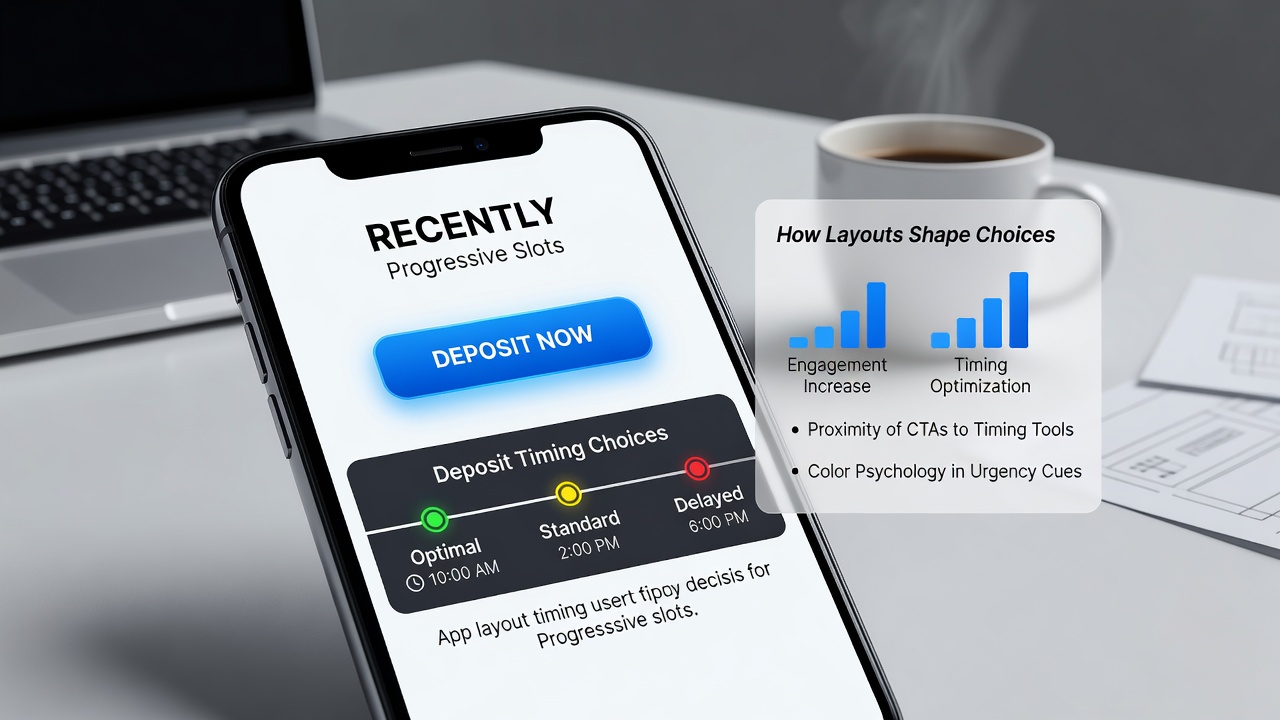
Comparative Observations Across New Platforms
Platforms approved in October 2026 adopted contrasting navigation hierarchies, and these differences produced distinct deposit timing distributions. One set of applications grouped all banking functions under a single persistent tab, and transaction logs showed deposits occurring at more uniform intervals throughout play periods. Another group hid banking options behind game-specific overflow menus, and deposits concentrated after longer play sequences once users located the controls.
Cross-platform comparisons conducted by independent analysts further highlighted how progressive slot sections that auto-expand jackpot history panels correlate with delayed funding until visible growth slows. Those who studied the data found that users on platforms with collapsed history panels tended to deposit earlier to maintain continuous play, while expanded panels encouraged waiting for incremental rises before adding credit.
Regulatory Context and Platform Reporting
Authorities in several markets require detailed usage metrics from recently licensed operators, and those metrics include deposit timestamps relative to game selection events. Reports submitted after the October 2026 approvals provide granular breakdowns that link interface variants to timing shifts without attributing causation to design choices alone. Data from the New Jersey Division of Gaming Enforcement and parallel collections in other regions allow researchers to map layout differences against observed funding patterns across thousands of sessions.
Additional context comes from industry analyses published by the Responsible Gambling Council, which track how navigation depth and prompt frequency appear in transaction records. These sources present aggregate patterns rather than individual behaviors, and they note that progressive slot sections consistently show higher variance in deposit timing than fixed-jackpot sections on the same applications.
Conclusion
Layout decisions implemented on platforms approved in October 2026 continue to demonstrate measurable associations with deposit timing among progressive slot participants. Button proximity, menu depth, meter visibility, and prompt scheduling each correspond to different distributions of funding moments, and ongoing data collection from regulatory submissions supplies the records needed to quantify those correspondences. Future platform iterations will likely refine these elements further as operators review the patterns established in the current approval cycle.